Eat Like an Alpinist: Fueling Long-Distance Hikes the Swiss Way
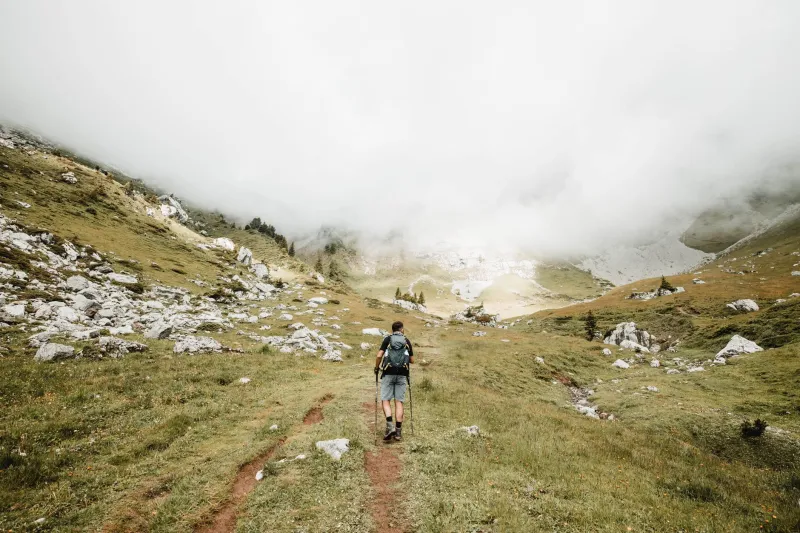
Picture this: You're somewhere above 8,000 feet on a trail in the Bernese Oberland, your pack digging into your shoulders, and the guy who just blew past you — older, faster, barely winded — stops to pull out a small block of Gruyère, a few slices of dried sausage, and a heel of dense bread. He's done this a hundred times. You, meanwhile, are wrestling with a foil pouch of freeze-dried pasta that tastes like cardboard and took four minutes to rehydrate.
There's a lesson here. Swiss hikers have been moving through alpine terrain for generations, and the way they eat on trail is no accident. It's practical, calorie-dense, culturally rooted, and — maybe most importantly — it doesn't require a 45-liter pack to carry.
Let's break down what experienced Swiss alpinists actually eat in the backcountry, and how American hikers can rethink their food strategy before their next Swiss adventure.
Why Your American Trail Food Is Probably Working Against You
There's nothing wrong with freeze-dried meals in principle. They've saved plenty of exhausted hikers from going to bed hungry. But American backpacking culture has developed a bit of an obsession with heavily processed, pre-packaged trail food — stuff that's engineered for convenience but often falls short on real caloric density, taste, and pack efficiency.
A typical American multi-day pack might include protein bars wrapped in foil, multiple pouches of freeze-dried dinners, instant oatmeal packets, and snack mixes in bulky zip-lock bags. Add in extra fuel canisters for all those rehydration meals, and you're looking at a food system that's heavier and bulkier than it needs to be.
Markus Heim, a mountain guide based in Grindelwald who has led groups of international hikers for over two decades, puts it plainly: "American clients almost always have more food weight than they need, and half of it requires cooking. Swiss hikers eat a lot without stopping to cook. Movement keeps you warm. Stopping to boil water in the wind is not always the best plan."
The Swiss Trail Food Philosophy
At its core, Swiss alpine eating is built around a few simple principles: high caloric density, minimal prep, local sourcing, and foods that hold up well in temperature swings. High altitude means cold nights and unpredictable weather — your food needs to work with that, not against it.
Here's what typically shows up in a Swiss hiker's pack:
Alpkäse or Gruyère — Hard mountain cheeses are calorie-dense, protein-rich, and don't require refrigeration for several days on trail. A 100-gram chunk delivers around 400 calories and packs flat.
Landjäger — These small, dried sausages are practically purpose-built for trail use. Firm, shelf-stable, and savory, they've been a Swiss hiking staple for over a century. Think of them as the European answer to jerky, but better.
Rye crispbread (Knäckebrot) — Lighter than regular bread, slow to go stale, and sturdy enough to survive at the bottom of a pack. Pair it with cheese or sausage and you've got a no-cook meal that takes about 45 seconds to assemble.
Dried fruit and nuts — Simple, yes, but Swiss hikers tend to favor quality over quantity here. Dried apricots, hazelnuts, and walnuts are common. Skip the candy-coated trail mix.
Birchermüesli — The original overnight oats. Rolled oats soaked in water or milk (powdered milk works fine on trail) with dried fruit mixed in. Prepare it the night before in a small container and breakfast is done before you've boiled a single cup of water.
When You Do Cook: Alpine Methods That Actually Work
Swiss backcountry cooking isn't elaborate, but it's efficient. When hikers do fire up a stove, they're typically making something simple that stretches across a meal or two.
Älplermagronen (Alpine Mac and Cheese) is a genuine mountain classic — pasta, potatoes, caramelized onions, and melted cheese. On trail, a simplified version uses instant mashed potato flakes, small pasta shapes, and that block of Gruyère you've been carrying. It comes together in one pot in under 15 minutes and delivers serious warmth after a cold descent.
Rösti-style hash is another trail adaptation that works well. Dehydrated potato flakes rehydrate quickly and can be pan-fried with a little oil and dried herbs into something that approximates the beloved Swiss potato cake. Add a packet of shelf-stable smoked salmon and you've got a genuinely satisfying dinner.
For hot drinks, Swiss hikers tend to favor herbal teas over multiple coffee pouches — lighter, hydrating, and useful for warming up without the caffeine dependency that can disrupt sleep at altitude.
Altitude and Appetite: What the Science Says
Here's something worth knowing before you head above 10,000 feet: altitude suppresses appetite. Studies on high-altitude physiology consistently show that hikers underestimate their caloric needs while simultaneously feeling less hungry. The result is a deficit that builds slowly and then hits hard — usually around day three, when your legs suddenly feel like concrete and your motivation tanks.
Swiss alpinists counter this by eating on a schedule rather than on instinct. Every 90 minutes to two hours, something goes in the mouth — a square of chocolate, a few crackers with cheese, a handful of nuts. Small, consistent fuel rather than big meals spaced far apart. Your digestive system also works less efficiently at elevation, so lighter, more frequent eating is genuinely easier on your body.
At altitude, fat becomes a more important fuel source than it is on lower trails. This is part of why cheese and sausage — both high in fat — are so well-suited to alpine hiking. They're not just culturally traditional; they're physiologically smart.
Building Your Swiss-Inspired Trail Food Kit
You don't have to overhaul everything. Start with a few swaps that make a real difference:
- Replace two freeze-dried dinners with one pot meal (Älplermagronen-style) and one no-cook dinner (cheese, sausage, crispbread, nuts).
- Ditch the protein bars in favor of Landjäger or similar dried sausages — you'll get similar protein with better flavor and less packaging.
- Add overnight oats to your breakfast rotation. No stove required, and it's genuinely filling.
- Bring a small block of quality hard cheese rather than individual snack packs. It's lighter, less wasteful, and tastes infinitely better.
- Carry one good piece of dark chocolate — 70% or higher. Swiss hikers treat it as both fuel and morale boost. They're not wrong.
Final Thoughts from the Trail
Food is one of those things that can quietly make or break a multi-day hike. The wrong choices mean a heavy pack, energy crashes, and meals you dread eating. The right choices mean you're moving efficiently, staying warm, and actually looking forward to stopping for lunch.
Swiss hiking culture has had a long time to figure this out. The mountains here are demanding, the weather is unpredictable, and the trails don't reward inefficiency. The food traditions that have developed in this environment aren't just charming — they're genuinely effective.
Next time you're planning a route through the Alps, take a cue from the alpinists who've been doing this for generations. Pack less, eat smarter, and leave some room in that bag for the view.