Forget the Tent: How Swiss Mountain Huts Are Winning Over American Hikers
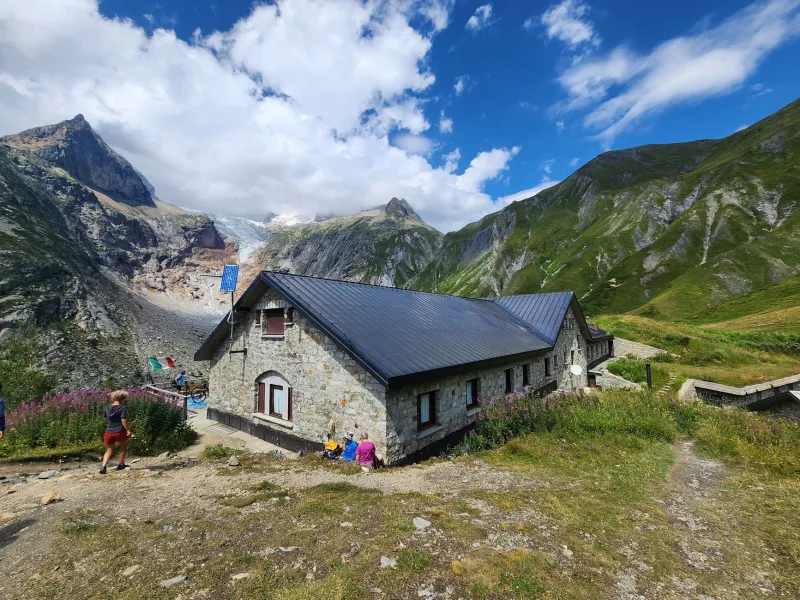
Picture this: You've just crested a brutal ridgeline somewhere above Zermatt, legs burning, lungs working overtime in the thin alpine air. Back home in Colorado or Washington, this is the part where you'd wrestle a tent pole into submission and start boiling ramen on a camp stove. But here in Switzerland, there's a warm light glowing from a stone building about 200 meters ahead. Inside, someone is pulling a tray of rösti out of the oven, and there's a cold Hürlimann waiting with your name on it.
Welcome to the world of Swiss mountain huts — and once you've spent a night in one, there's a decent chance you'll never look at your ultralight bivy the same way again.
A Tradition That Predates Gore-Tex by Centuries
The Swiss Alpine Club (SAC) was founded in 1863, and its network of mountain refuges — called Hütten in German-speaking regions, cabanes in the French-speaking west, and capanne in Italian Ticino — has been expanding ever since. Today, more than 150 official SAC huts dot the Swiss alpine landscape, ranging from basic stone shelters accessible only by multi-hour approach hikes to well-staffed lodges that serve three-course dinners and host guided glacier tours.
The culture behind these huts runs deep. They were originally built to support alpinists pushing into technical terrain that required staged ascents over multiple days. Over time, the huts evolved into something more than functional stopovers — they became social institutions, gathering places where seasoned climbers, casual day hikers, and curious travelers all shared the same long wooden tables and swapped stories over soup.
For American hikers raised on the Leave No Trace ethic and the solo wilderness experience, this communal setup can feel like a culture shock at first. In a good way.
What to Actually Expect When You Walk Through the Door
Not all huts are created equal, and knowing the difference before you book will save you some surprises.
Staffed huts (bewirtschaftete Hütten) are the full experience. These are open during defined seasons — typically late June through early October — and run by a Hüttenwart (hut keeper) and their crew. You'll get a hot meal, a dormitory bed with blankets (sometimes individual duvets), and access to a shared bathroom with cold-water sinks. Dinner is usually a set menu featuring hearty alpine staples: lentil soup, pasta, mountain cheese, and occasionally something surprisingly refined for a building you reached on foot.
Self-service huts (unbewirtschaftete Hütten) are the stripped-down version. No staff, no hot meals, but typically stocked with basic provisions and a wood stove. These require more self-sufficiency and are better suited to experienced alpine travelers.
Dormitory sleeping — called a Matratzenlager or mattress camp — is the standard arrangement. Expect rows of sleeping platforms where you'll be shoulder-to-shoulder with strangers. It sounds rough, but the shared exhaustion of a long trail day has a way of making everyone a pretty good bunkmate.
Booking: Don't Wing This Part
If there's one piece of advice worth underlining, it's this: book early. Swiss mountain huts fill up fast, especially during peak summer weekends and on popular routes like the Tour du Mont Blanc approach trails or the Via Alpina. The SAC's online reservation system (sac-cas.ch) handles bookings for most huts, and many individual huts also accept direct reservations by phone or email.
SAC membership gets you a meaningful discount on overnight stays — roughly 50% off the standard rate at SAC huts — and a reciprocal membership through the American Alpine Club (AAC) qualifies you for the same benefit. If you're planning more than one or two nights in the hut system, that membership pays for itself fast.
Most huts ask for a deposit at booking and have strict cancellation policies, so treat your reservation like a hotel booking rather than a casual campsite claim.
The Etiquette Stuff Nobody Tells You
Swiss mountain hut culture has its own set of unwritten rules, and while locals won't make a scene if you mess up, you'll enjoy the experience a lot more if you come prepared.
- Take your boots off at the door. Every hut has a boot room (Schuheraum) just inside the entrance. You'll swap into hut slippers or your own camp sandals before heading inside. Walking through the dining room in muddy trail boots is a quick way to make enemies.
- Dinner is communal and usually at a fixed time. Show up when they tell you to, or you might miss it entirely. Meals are often family-style or served at long shared tables — lean into it.
- Quiet hours are real. Hut communities take the 10 p.m. lights-out tradition seriously. Early starts are the norm in alpine terrain, so most guests are genuinely grateful for the silence.
- Pack out your trash. Even staffed huts have limited waste facilities in remote settings. Bring a bag for anything you carry in.
- Say hello. A simple Grüezi (the standard Swiss-German greeting) goes a long way. Hut culture is fundamentally social, and being friendly opens doors — sometimes literally, to trail beta and local knowledge you won't find in any guidebook.
Regional Flavors Worth Seeking Out
The character of a Swiss mountain hut shifts depending on where you are in the country. In the Bernese Oberland — think Grindelwald and the Jungfrau region — huts tend to be larger and busier, reflecting the area's popularity with international trekkers. Head into the Valais near Saas-Fee or up toward the Matterhorn and the huts get more rugged, the approach routes more demanding, and the atmosphere noticeably more serious.
In the Engadin valley around St. Moritz, huts often double as starting points for glacier routes, and the cuisine occasionally reflects the region's well-heeled reputation. Meanwhile, the Italian-influenced capanne of Ticino in the south serve polenta alongside the pasta and feel distinctly warmer in both temperature and personality.
Why It Actually Changes the Way You Hike
American backpacking culture prizes self-sufficiency — the ability to carry everything you need and disappear into the wilderness for days at a time. That's a beautiful thing. But the hut system encourages a different relationship with the mountains, one built around moving lighter, covering more ground, and connecting with other people who share the same obsession with high places.
When you're not hauling a four-pound tent and a week's worth of freeze-dried meals, you walk differently. You stop more. You talk to the couple from Zurich who've been doing this ridge every summer for twenty years. You eat real food and sleep in a real bed and wake up at 5 a.m. to watch the sunrise paint the Eiger in shades that no photograph ever quite captures.
That's the thing about Swiss mountain huts. They don't make the mountains easier — the trail still bites. But they make the whole experience richer, and that's a trade most hikers are willing to make.